
For many first-time caravan buyers, the compliance plate is one of the most overlooked parts of the entire caravan.
That is understandable. At first glance, it can look like a small metal plate filled with numbers and abbreviations that do not mean much.
But that little plate tells you some of the most important information about the caravan.
At Find My Van, we often see buyers focus heavily on layouts, features and appearance while missing the information that determines whether the caravan suits their vehicle and travel plans.
Understanding the compliance plate helps you make safer and more informed decisions before you buy.
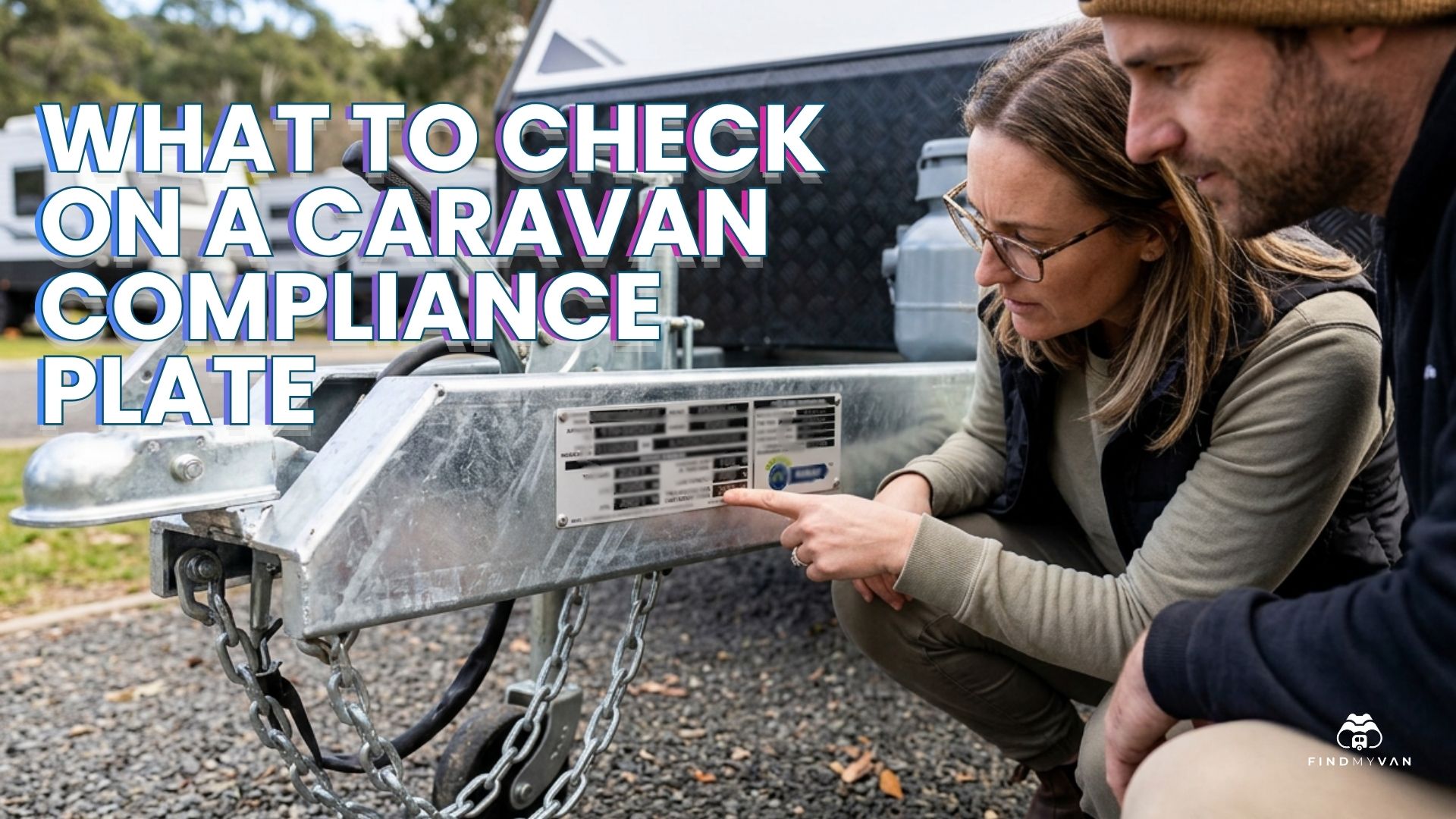
What is a caravan compliance plate?
A caravan compliance plate is a manufacturer-issued plate that contains key specifications and legal information about the caravan.
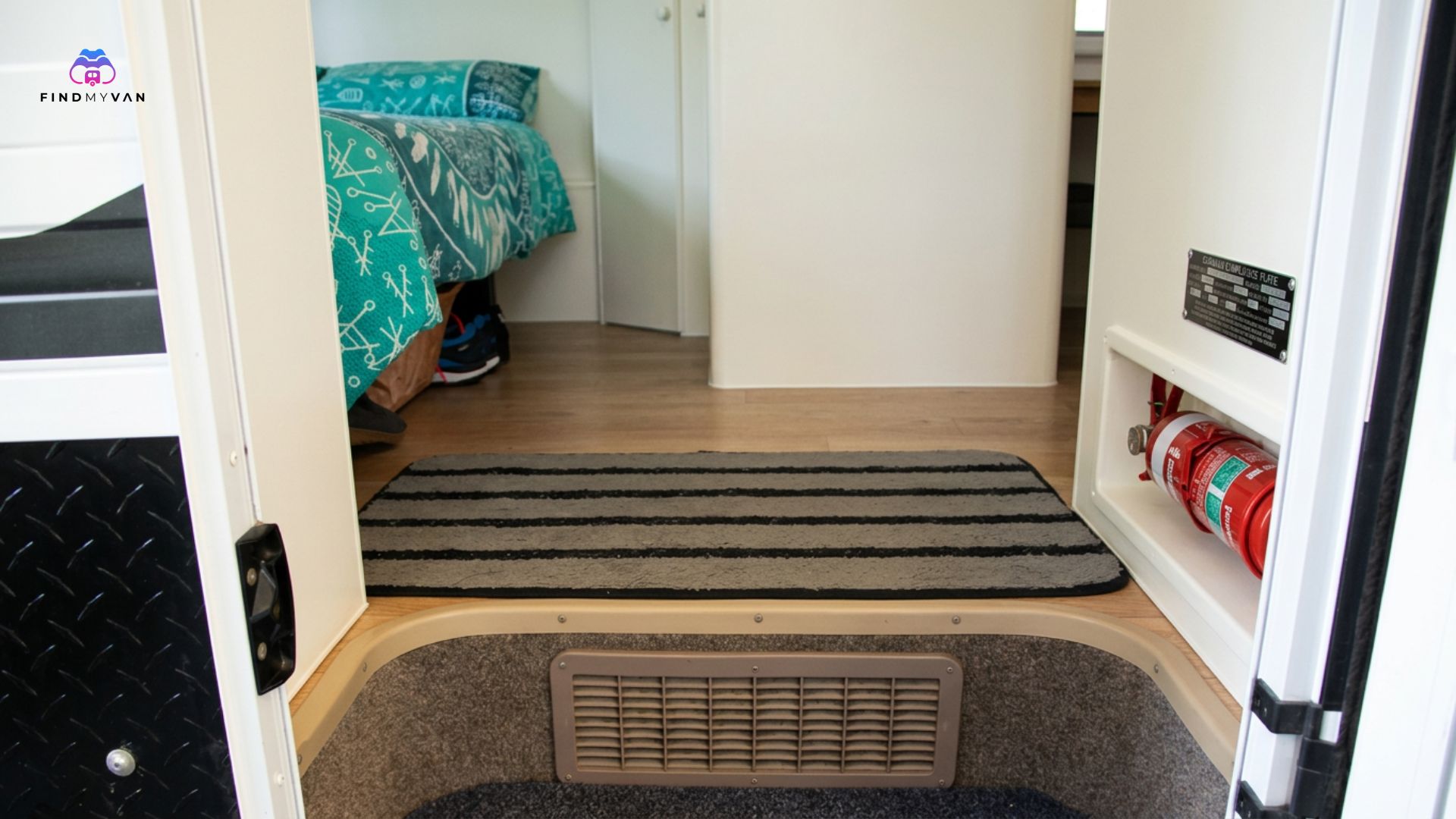
It is usually located:
- Near the entry door
- On the A-frame
- Inside a front boot or tunnel boot area
The exact position varies between manufacturers, but it should always be accessible and clearly attached to the caravan.
The information on the plate helps determine:
- Legal towing limits
- Weight capacities
- Tyre and axle specifications
- Manufacturing details
It is one of the first things buyers should check before seriously considering a caravan.
Start with the ATM
ATM stands for Aggregate Trailer Mass.
This is the maximum legal weight the caravan is allowed to weigh when fully loaded.
That includes:
- Water
- Gas bottles
- Food and gear
- Personal belongings
- Accessories added after manufacturing
This number is critical because it determines whether your vehicle can legally and safely tow the caravan.
A caravan may look suitable at first glance, but if the ATM exceeds your vehicle’s towing capacity, it is not the right match.
Check the tare weight carefully
Tare weight is the empty weight of the caravan as it leaves the manufacturer.
This number matters because it gives you an idea of how much payload capacity is available before reaching the ATM.
The difference between tare and ATM is your available payload.
That payload needs to account for:
- Water tanks
- Camping equipment
- Clothing and supplies
- Batteries and solar upgrades
- Accessories added later
What many buyers do not realise is how quickly this weight adds up in real-world travel.
A caravan with a high tare and limited payload can become restrictive very quickly once packed for a trip.
Look at the axle and tyre ratings
The compliance plate should also include information about:
- Axle ratings
- Tyre sizes
- Recommended tyre pressures
This helps you understand whether the running gear matches the caravan’s intended use.
For example:
- Off-road caravans generally require stronger suspension and tyre setups
- Larger caravans often need higher load-rated tyres and axles
This section also helps identify whether modifications or upgrades have been made later that may not align with original specifications.
Check the VIN number
VIN stands for Vehicle Identification Number.
This is a unique identification number assigned to the caravan.
It is important because:
- It confirms the caravan’s identity
- It can be used for PPSR checks
- It helps verify registration and ownership records
Before purchasing a caravan, buyers should ensure the VIN on the compliance plate matches:
- Registration paperwork
- Inspection reports
- Any documentation supplied with the caravan
This helps avoid issues with incorrect or inconsistent records.
Pay attention to manufacturing dates
The compliance plate will also show manufacturing details, including:
- Build date
- Compliance date
- Manufacturer information
This can sometimes differ from the advertised model year.
For example, a caravan advertised as a 2022 model may have been manufactured or complied in late 2021.
That is not necessarily a problem, but it is something buyers should understand clearly before purchasing.
Compliance plate information should match the caravan
This is something many buyers overlook.
The details on the compliance plate should make sense for the caravan itself.
For example:
- Weight ratings should align with the caravan’s size and intended use
- Tyre specifications should match the tyres currently fitted
- Suspension and axle setups should appear appropriate
- If something feels inconsistent, it is worth asking more questions or arranging a professional inspection.
Why this matters more than buyers think
The compliance plate is not just technical information.
It directly affects:
- Safety
- Towing legality
- Vehicle compatibility
- Insurance and registration
Ignoring it can lead to expensive mistakes later, especially once the caravan is fully loaded for travel.
How Find My Van helps buyers understand caravan specifications
At Find My Van, we help buyers understand the important details behind the caravan, not just the appearance or features.
We help you:
- Understand caravan weights and towing suitability
- Match caravans to your vehicle
- Identify realistic payload and towing setups
- Avoid common buying mistakes
Every caravan we help you purchase comes with a current independent presale inspection report, so you know exactly what you are buying.
A compliance plate tells a bigger story
Once you understand how to read it, the compliance plate becomes one of the most useful tools when comparing caravans.
It helps you move beyond marketing and focus on whether the caravan genuinely suits your setup and travel plans.
Ready to find the right caravan setup?
If you want help understanding caravan weights, towing suitability or which caravan best matches your vehicle, we can help.
Click the button below to schedule a call and get practical guidance before you buy.