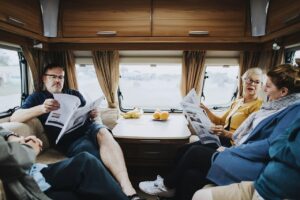
A compact van can change the way you travel. It is easier to tow, quicker to set up at camp and often gives couples the freedom to take off for a long weekend without hauling more caravan than they need. If you are searching for a two berth caravan for sale, the best choice is not simply the smallest one on the market. It is the van that suits your tow vehicle, travel style, storage needs and plans for the road.
For some buyers, that means a light touring caravan for powered sites and coastal escapes. For others, it means a tough off-road model that can handle corrugations, red dirt and remote camps. Knowing the difference before you inspect vans will save time and help you buy with real confidence.
Why two-berth caravans are a popular choice
Two-berth caravans are designed around the needs of couples, solo travellers and retirees who value a practical, comfortable space over extra sleeping capacity. They generally have a simpler layout than family vans, which can mean less weight, fewer moving parts and more usable storage for two people.
A smaller footprint also makes a difference on the road. Many two-berth vans are easier to manoeuvre into tight caravan park sites, fuel stops and storage spaces at home. That does not automatically make every compact caravan light, however. A heavily equipped off-road van with large batteries, solar, water tanks and premium appliances can still be substantial. Always look beyond the length of the van and check the actual weights.
The appeal is often in the layout. A well-designed two-berth can offer a roomy north-south queen bed, a comfortable lounge, a separate shower and toilet, and a kitchen that feels surprisingly capable. Others prioritise a lighter build and keep the bathroom outside the caravan footprint. There is no single right answer – it depends on how long you intend to travel and where you prefer to stay.
Choosing the right two berth caravan for sale
Before falling for polished cabinetry or a clever floorplan, start with the practical non-negotiables. Your choice should work as a complete towing combination, not just look good parked at an inspection.
Match the caravan to your tow vehicle
Check your vehicle’s braked towing capacity, towball download limit and gross combination mass. Then compare these figures with the caravan’s ATM, tare mass and payload. The payload matters because it is what remains for water, food, clothing, chairs, tools, gas bottles and all the gear that tends to accumulate on a trip.
Do not assume a caravan advertised as lightweight will remain light once it is packed. Ask for the compliance plate details and confirm whether any listed accessories are included in the stated weight. A weight distribution hitch, bike rack, rear storage box and full tanks can all affect how the caravan tows.
If you are unsure, seek advice before committing. Getting the weights right is not paperwork for paperwork’s sake. It affects safety, insurance, handling and your confidence behind the wheel.
Choose a layout for the way you travel
A rear ensuite can offer privacy and a more spacious bedroom feel, while a front ensuite may create a different lounge arrangement. An island bed gives easy access for both people, but a corner bed can free up extra room elsewhere. Some couples love a café dinette for meals and laptops; others want opposing lounges where they can properly stretch out on rainy afternoons.
Walk through the caravan as though you are already travelling. Can you open cupboards with the bed made? Is there enough bench space for breakfast? Where will wet towels, shoes and bulky jackets go? Can one person make a cuppa while the other moves through the van? These small questions reveal whether a layout will be enjoyable after the first weekend away.
Decide how far off the blacktop you really want to go
A touring or semi off-road caravan may be ideal if your plans are mostly sealed highways, established holiday parks and well-maintained regional roads. It can provide excellent comfort without the cost, weight and rugged suspension package of a dedicated off-road model.
A true off-road two-berth caravan makes more sense if you regularly plan to travel unsealed roads or spend extended time away from powered sites. Look closely at the chassis, suspension, tyre size, ground clearance, stone protection and recovery points. Independent suspension, quality shock absorbers and sensible underbody protection can be worthwhile, but only if they match your intended use.
Pay attention to off-grid capability too. Battery capacity, solar output, inverter size, water storage and fridge type should support the length of time you want to free camp. Bigger systems are helpful, but they add complexity and weight. A couple who stays in caravan parks most nights may be better served by a simpler, lighter setup.
What to inspect before you buy
A clean caravan is encouraging, but presentation should never replace a proper inspection. Take your time and look for evidence of how the van has been cared for, maintained and stored.
Start outside. Check the roofline, seals, awning, windows, hatches, entry door and storage lockers for cracks, damage or signs of water ingress. Look underneath at the chassis, suspension, coupling, brake wiring and any exposed plumbing. Surface dust after a country trip is one thing; corrosion, oil leaks, bent components or poorly repaired damage deserve closer investigation.
Inside, open every cupboard and inspect around windows, skylights, corners and the shower for staining, soft walls, bubbling panels or musty smells. Test lights, taps, hot water, air conditioning, fridge, cooktop, microwave, toilet and entertainment systems where possible. Ask when the tyres were manufactured, not just whether the tread looks healthy. Caravan tyres can age before they wear out.
Service records are valuable. They help demonstrate that brakes, bearings, gas systems and appliances have received the attention they need. If a seller cannot answer a reasonable question, that does not always mean there is a problem, but it is a prompt to investigate further.
For a higher-value purchase, consider an independent pre-purchase inspection. It is a sensible way to identify issues that may not be obvious during a viewing and can give you a clearer basis for negotiating price or walking away.
The value of a verified buying process
Buying privately can work well, but it can also involve unanswered messages, uncertain history and pressure to hand over a deposit before you have all the facts. A professional brokerage process is designed to reduce that friction.
With a quality broker, buyers can expect clear communication, accurate caravan details and a more structured path from enquiry through to settlement. Stock is presented professionally, serious buyers are treated with respect and sellers have support managing the transaction. That creates a better experience on both sides, particularly when you are buying from interstate or arranging inspections around work and travel plans.
Price should be considered in context. Compare year, make, model, condition, included accessories, service history and current market demand. A van with a proven maintenance record, quality upgrades and genuine off-grid equipment may command more than a similar-looking alternative. Equally, expensive extras do not always return their full original cost at resale.
The goal is not to find the cheapest two-berth caravan. It is to find one that is honestly represented, correctly priced and ready for the trips you have in mind.
Questions worth asking the seller
Ask why the caravan is being sold, how it has been stored and whether it has travelled mainly on sealed roads, gravel or rough tracks. Confirm whether there is finance owing, whether the van has been involved in an accident and if there have been any water leaks or insurance repairs.
You should also ask what is included in the sale. Annex walls, towing mirrors, levelling ramps, generators, portable waste tanks and camp furniture can add genuine value, but only if they are in good condition and useful to you. Clarify this before negotiating rather than relying on assumptions at handover.
Finally, ask whether you can inspect the caravan with all major systems operating. A seller who has prepared the van for a serious buyer will usually understand why this matters.
Make room for the trips you want to take
A two-berth caravan is not a compromise when it has been chosen well. It can be your comfortable base at a beachside park, a quiet free camp or a favourite country showground, with less towing stress and more time to enjoy the destination.
Take your time, check the details and buy for your real travel habits rather than an imagined version of the big lap. When you are ready to find a quality van with experienced support behind the process, Find My Van can help make the next chapter on the road feel far more straightforward.