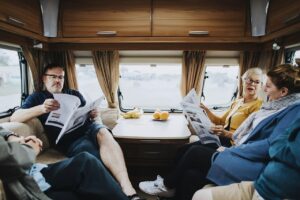
A campervan sitting unused in the driveway can feel like money going nowhere. Perhaps your travel plans have changed, you are upgrading to a larger motorhome, or it is simply time for someone else to take it on their next lap of Australia. If you are thinking, “I need to sell my campervan fast”, speed matters – but accepting the first low offer is rarely the right answer.
A quick sale and a strong sale can happen together when the van is priced realistically, presented properly and placed in front of genuine buyers. The goal is not to create a rush at any cost. It is to remove the delays, tyre-kickers and uncertainty that make private sales drag on for weeks or months.
How to sell my campervan fast and protect its value
The fastest path to a sale starts before the advertisement goes live. Buyers shopping for campervans usually have a trip, a budget and a preferred layout in mind. When they find a vehicle that is clean, clearly described and sensibly priced, they are much more likely to make a confident enquiry.
The trap is pricing from emotion. Your campervan may hold years of great memories, carefully chosen accessories and plenty of effort, but buyers compare it with similar makes, models, kilometres, condition and features currently available. Price it too high and it may be overlooked from day one. Price it too low and buyers may wonder what is wrong with it – while you leave money on the table.
A professional valuation or informed market appraisal gives you a credible starting point. It should account for the vehicle’s age, service history, transmission, engine, kilometres, sleeping capacity, off-grid capability, solar setup and overall condition. Popular extras can lift appeal, but they do not always return their full purchase cost. A quality awning, lithium battery system or reversing camera may help your campervan stand out; worn tyres, overdue servicing or incomplete paperwork will work against it.
If time is genuinely tight, be clear about your preferred settlement window from the outset. That does not mean broadcasting desperation. It means being ready to respond, available for inspections and organised enough to move when the right buyer appears.
Prepare the campervan buyers want to inspect
Most buyers make an emotional judgement within moments of arriving. They are imagining weekend escapes, school holiday road trips or a longer journey through regional Australia. A dusty cabin, overflowing storage compartment or musty smell can interrupt that picture before they have even looked at the mechanical details.
Give the campervan a thorough clean inside and out. Empty personal belongings, wipe down cupboards, clean windows, vacuum upholstery and remove rubbish from every locker. Wash the exterior, including the roof where practical and safe, and make sure the tyres, wheel trims and awning are presentable. A professional detail can be worthwhile if the vehicle has been stored for a while or shows the signs of regular touring.
Then deal with the obvious little jobs. Replace blown globes, secure loose catches, repair a broken cupboard latch and top up fluids where required. If there is a fault you do not intend to repair, disclose it clearly. Trying to hide a known issue nearly always costs more in negotiations and buyer confidence than an honest explanation.
Your paperwork should be ready before anyone asks for it. Gather service records, receipts for meaningful upgrades, registration details, owner’s manuals, compliance information and records for any recent inspections. If the campervan has finance owing, understand exactly what needs to happen to pay it out at settlement. A buyer will feel far more comfortable when the process is clear and documented.
Use photographs that answer questions
Campervan buyers are often searching across large distances. Before they commit to travelling for an inspection, they want enough information to decide whether the vehicle is worth their time. Dark, blurry photos and a two-line description invite uncertainty rather than enquiries.
Photograph the campervan in daylight on a tidy, uncluttered site. Take wide exterior shots from each corner, then show the driving cabin, lounge, bed setup, kitchen, bathroom if fitted, storage areas, tyres and any major accessories. Include photos of the odometer, solar controls or battery display where they help demonstrate the vehicle’s specification and condition.
Honest photos matter too. If there is a cosmetic mark, stone chip or worn section of trim, showing it avoids an awkward surprise at inspection. Buyers do not expect a used campervan to be brand new. They do expect the listing to match the vehicle in front of them.
Your description should cover the details a serious buyer needs: make, model, year, kilometres, seating and sleeping capacity, transmission, fuel type, registration expiry, service history, key dimensions and standout touring features. Explain how the layout works in real life. For example, a compact two-berth model may be easy to park and ideal for couples, while a larger van may suit families who need more storage and separate sleeping space.
Respond quickly, but screen every buyer
A great listing can generate plenty of messages, especially when the campervan is priced well. Not all of them deserve your time. Private sellers often lose momentum by taking calls late at night, answering the same basic questions repeatedly and arranging inspections with people who never arrive.
Respond promptly to credible enquiries, but ask a few sensible questions before confirming an inspection. Are they ready to buy now? Have they arranged finance? What features are essential for their travel plans? Do they understand the vehicle’s location and price range? These conversations help separate serious buyers from casual browsers.
Security should never be treated as an afterthought. Avoid sending unnecessary personal information, be cautious about payment claims that cannot be verified and do not hand over keys or vehicle access without appropriate safeguards. A legitimate buyer will understand why you need a secure process, particularly for test drives and transfers of substantial funds.
This is where a broker can make a meaningful difference. Find My Van can manage enquiries, verify prospective buyers, coordinate inspections and handle negotiations so you can focus on the decision rather than the back-and-forth. It is a practical option for sellers who want marketplace exposure without having strangers turn up at their home or spending every weekend fielding calls.
Be ready to negotiate with a clear floor price
Most genuine buyers will negotiate, even when they believe the campervan is fairly priced. Decide in advance what price you would be happy to accept and which inclusions are flexible. You may prefer to hold firm on the vehicle price but include camping gear, a portable toilet or a set of levelling ramps. Alternatively, keeping accessories separate can help protect the value of the campervan itself.
Do not let a slow first week push you into a panic discount. Review the quality of enquiries before changing the price. If people are viewing but not offering, the condition, presentation or wording of the advertisement may need attention. If there are no serious enquiries at all, compare your asking price and specification against competing vehicles more closely.
At the same time, do not wait for the perfect offer forever when your priority is speed. A qualified buyer with verified funds, a fair offer and a simple settlement plan can be more valuable than a slightly higher offer attached to finance delays, vague promises or a complicated trade-in.
Make settlement simple and secure
A sale is not finished when someone says they want the campervan. Agree the price, deposit, inclusions, collection date and payment method in writing. Confirm when cleared funds are required and when ownership, keys and documents will be handed over. Follow the relevant registration transfer requirements in your state or territory, and keep copies of the completed paperwork.
For a faster, lower-stress result, organisation is your advantage. A well-priced campervan with a clean presentation, complete records and a safe buyer process gives serious travellers every reason to act. Your next adventure may look different, but handing the keys to a confident new owner is a very good way to start it.