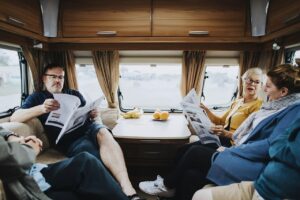
A caravan sale can look simple from the outside: take a few photos, put an ad online and wait for the right buyer. In reality, the process often means answering late-night messages, sorting genuine buyers from tyre-kickers, discussing price repeatedly and worrying about payment. When you sell caravan with broker support, you retain control of the sale while handing the difficult, time-consuming parts to a professional.
For many owners, that matters most when it is time to move on. Perhaps your travelling plans have changed, you are upgrading to a different layout, or your current van has carried you through years of memorable trips and is ready for its next adventure. A broker can help you present it properly, price it with confidence and reach buyers who are ready to act.
What does selling a caravan with a broker involve?
A caravan broker acts on your behalf to manage the sale from listing through to settlement. Unlike a dealer trade-in, where the dealer buys or values the van to protect their own resale margin, a broker is focused on achieving a strong result for the owner while providing buyers with a credible, professionally managed purchase.
The exact service varies between brokers, but it commonly includes an appraisal, advice on presentation, professional marketing, enquiry management, buyer qualification, inspections, negotiation and support through settlement. Rather than having your mobile number publicly available and your weekends consumed by inspections, you have an experienced point of contact handling the process.
At Find My Van, the focus is on reducing the uncertainty that comes with private selling. That means clear communication, practical selling advice and verification processes that help separate serious buyers from people who are only browsing.
Why private caravan sales can become hard work
Private selling can absolutely work, particularly if you have plenty of time, understand the current market and are comfortable managing negotiations. But a quality caravan is a significant purchase, and buyers often have detailed questions about weights, servicing, finance, layout, off-road capability, warranty and inclusions.
A buyer may be genuine but need to sell their own van first. Another may ask for a discount before they have seen it. Some will arrange an inspection and never arrive. You also need to be careful with test drives for motorhomes, deposits, bank transfers and requests that do not feel right.
The challenge is not simply finding enquiries. It is finding the right enquiry, responding at the right time and keeping the sale moving without giving away too much on price. A broker’s job is to manage that activity professionally and protect your time.
A broker can help set a price buyers will respect
The highest advertised price is not always the highest sale result. A caravan that sits on the market for months can attract low offers, while an unrealistically cheap listing may leave money on the table. Good pricing sits in the space between your expectations, the van’s condition and what comparable models are actually achieving.
A broker will look at factors such as the make, model, year, layout, kilometres where relevant, off-road or semi off-road specification, upgrades, service history, condition and demand in the current market. Solar, batteries, air conditioning, towing equipment, annexes and quality storage solutions can all influence buyer appeal, but not every accessory adds dollar-for-dollar value.
This is where an honest valuation is valuable. If a van needs tyres, has water damage, is overdue for servicing or has an issue with an appliance, a realistic approach early on is usually better than a surprise during inspection. Transparency builds buyer confidence and helps avoid a deal falling over at the last minute.
Presentation can protect your sale price
Buyers often decide how they feel about a caravan within minutes of viewing it. That does not mean it needs to look brand new, but it should look cared for and ready to travel.
Before marketing begins, clean the interior thoroughly, remove excess personal items and make sure storage areas are tidy. Wash the exterior, clean windows, check lights and repair small faults that will be obvious at an inspection. Gather service records, manuals, receipts for upgrades and any relevant warranty paperwork. These details make it easier for a buyer to say yes.
A broker can also advise where not to spend money. Replacing every soft furnishing or adding costly accessories shortly before sale may not return what it costs. The right choice depends on the age of the van, the expected price range and what competing listings look like.
Marketing is more than uploading photos
A strong listing answers questions before a buyer has to ask them. It should show the caravan in its best light while being accurate about its specifications, condition and inclusions. Clear photos of the exterior, layout, kitchen, bathroom, sleeping areas, storage and key equipment allow a buyer to picture how the van will suit their travels.
The written description matters just as much. A family looking for bunks needs different information from a couple searching for a compact two-berth van. Off-road travellers want to understand construction, suspension, clearance and power setup. Grey nomads may place more value on comfort, storage, ensuite facilities and ease of towing.
A broker helps position the caravan for the buyer most likely to value it. That can create better conversations than a broad, vague ad that attracts a high number of unsuitable enquiries.
Buyer screening makes inspections more worthwhile
One of the biggest advantages of selling your caravan with a broker is buyer qualification. A serious buyer should know their budget, have a realistic timeline and understand the type of caravan they need. Where finance is involved, it is helpful to know whether they have already explored their options before an inspection is booked.
Screening does not mean treating buyers with suspicion. It means giving genuine people useful information, answering their questions properly and ensuring inspections are arranged with a clear purpose. Buyers also benefit from dealing with a professional who can provide accurate details and help the transaction feel more secure.
This can be particularly useful if you are travelling, live some distance from the caravan or simply do not want strangers coming to your home. The inspection process can be organised around suitable times and clear expectations.
Negotiation is where preparation pays off
Most caravan buyers expect to negotiate. The question is whether the negotiation is based on genuine value, condition and market evidence, or on pressure and guesswork.
A broker provides a buffer between seller and buyer. They can handle offers objectively, explain the reasoning behind a price and identify whether a buyer is close to committing or simply testing the market. That distance is helpful when a van has sentimental value or when you need a sale by a particular date.
There are trade-offs. Brokerage comes with a fee, and no ethical broker can promise an exact price or guarantee a sale within a set number of days. Market demand, seasonal conditions, vehicle condition and pricing all play a part. In return, you are paying for exposure, professional handling and a more structured path to a qualified buyer.
Questions to ask before appointing a caravan broker
Choose a broker who understands recreational vehicles, communicates clearly and explains their process upfront. Ask how they determine the listing price, where the caravan will be marketed, how buyer enquiries are managed and what checks are completed before inspections or offers.
You should also understand the agreement before signing. Confirm the brokerage fee, the length of the listing period, whether there are any upfront costs, how price changes are handled and what happens if you find a buyer yourself. Ask how deposits and settlement are managed, and whether the broker will keep you updated after inspections and offers.
The right broker should not pressure you into an unrealistic figure just to win your listing. They should give clear advice, explain the market honestly and work with you on a plan that fits your timeline.
Is a caravan broker the right choice for you?
If you enjoy selling, have the time to manage every enquiry and are confident handling payment and negotiation, a private sale may suit you. If speed is your only priority, a trade-in can be convenient, although it may not deliver the strongest return.
Brokerage is often the middle ground for owners who want a competitive sale outcome without carrying the full burden of advertising, screening and negotiation themselves. It is especially useful for busy families, retirees preparing for their next move, interstate sellers and owners with a quality van that deserves a well-managed campaign.
Your caravan has helped create weekends away, long road trips and stories worth keeping. Give its next sale the same care: prepare it well, price it honestly and choose support that lets you move forward with confidence.