A buyer can decide whether to enquire about your caravan before they have read a single line of the listing. That is why learning how to prepare caravan photos properly is not about making your van look flashy. It is about presenting an honest, well-cared-for vehicle that gives serious buyers confidence to take the next step.
When you are selling a caravan, photos do much of the early heavy lifting. They show the condition, layout, storage, features and lifestyle potential of the van, while helping buyers rule it in before arranging an inspection. A clean, complete set of images can attract better enquiries and reduce the time spent answering questions from people who have not understood what is being offered.
How to prepare caravan photos before you pick up the camera
The best caravan photos start with preparation, not photography. Buyers notice the small things: a cluttered dinette, muddy tyres, half-open cupboards or a bathroom bench covered in toiletries. None of these necessarily affect the quality of the caravan, but they can make a listing feel rushed or poorly maintained.
Start by giving the exterior a proper wash. Clean the front boot, windows, awning, wheels and entry door, and remove cobwebs, leaves and dust from seals and vents. If your caravan has recently travelled on dirt roads, take extra care around the lower panels, suspension and rear bar. You do not need to hide that it has been used for touring, but presenting it cleanly signals pride of ownership.
Inside, remove personal items, excess cushions, paperwork, pet beds, clothes and kitchen clutter. A caravan should still look inviting, not empty and sterile, so a neatly made bed, a simple throw and a clean table setting can work well. The aim is to let buyers picture their own trips in the space without distracting them with your day-to-day belongings.
Open blinds and roof hatches where appropriate, turn on the interior lights, and check that every area is tidy before you begin. If a cupboard, drawer or external storage compartment is a selling feature, organise it so buyers can clearly see its capacity. A packed tunnel boot may prove you can carry plenty, but an orderly one demonstrates how usable that storage really is.
Choose the right location and light
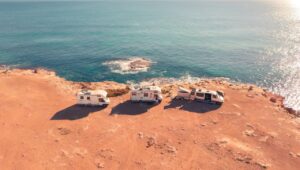
A clear, level, uncluttered location makes a major difference. Wherever possible, photograph the caravan away from crowded driveways, bins, power cords, washing lines and other vehicles. A grassy reserve, quiet industrial area or spacious rural property can work well, provided you have permission to be there and the van is safely parked.
Avoid shooting in harsh midday sunlight, which creates heavy shadows and can make white panels look overexposed. Early morning or late afternoon usually gives softer light and more natural colour. Overcast conditions can also be excellent because they reduce glare on windows and aluminium cladding.
Try to keep the sun behind or to the side of you rather than directly behind the caravan. A backlit image can leave the van looking dark, while sun reflecting off a window can obscure the interior. Take a few test shots, then reposition the caravan or yourself if needed.
The caravan photos buyers expect to see
A strong listing needs enough photos to answer the obvious questions without making people work for the information. Start with a clean, wide front three-quarter shot. This is often the first image a buyer sees, so it should clearly show the caravan’s overall shape, condition and style.
Then photograph the other exterior angles, including both sides and the rear. Include a straight-on view where possible, but do not stand so far back that the caravan becomes a tiny part of the frame. Buyers should be able to inspect the bodywork, windows, decals and general presentation.
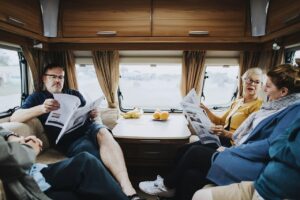
Inside, photograph the layout in a logical order. Take images from the entry looking through the caravan, then capture the lounge or dinette, kitchen, bed area, bathroom and any bunks or separate living zones. Use wide shots to show how each space connects, followed by closer images of features that add genuine value.
For a family van, show the bunks, dining space, fridge capacity and external storage. For an off-road caravan, buyers will want to see suspension, tyres, stone protection, recovery points, water storage, solar panels and the rear bar setup. A compact couple’s van may appeal because of its light weight, ensuite, seating comfort or clever storage. The right photos reflect the reason your particular caravan will suit its next owner.
Do not forget practical details. Clear images of the compliance plate, control panel, battery system, inverter, air-conditioner, heating, fridge, cooktop, washing machine, outdoor kitchen or awning setup can save time later. Photograph the service book, manuals and maintenance records only if personal information is covered and the documents are tidy. These images help reinforce that the caravan has been looked after.
Show condition honestly, including the details
Good photos should build trust, not create an unpleasant surprise at inspection. If there is a noticeable mark, stone chip, dent or worn section, it is usually wiser to photograph it clearly and describe it accurately. Serious buyers understand that a used caravan may have signs of travel. What puts them off is discovering an issue that was not disclosed.
Honest photos also protect your time. A buyer who has seen the caravan’s condition properly is more likely to arrive with realistic expectations. That can mean fewer wasted inspections and more productive conversations when it is time to discuss value.
There is a balance here. You do not need close-ups of every minor scuff, particularly normal wear that is already apparent in wider photos. Focus on anything a reasonable buyer would want to know before travelling to view the van. If you are unsure how an issue may affect your asking price, a professional valuation can provide useful context.
Take better photos with the equipment you already have
Most modern mobile phones are capable of producing excellent listing images. Clean the lens first, use the standard camera setting and take photos in landscape orientation. Landscape images generally show more of the caravan and display well across listing platforms.
Hold the phone steady and keep it level. Crooked horizons, tilted door frames and extreme wide-angle distortion can make a caravan look smaller or oddly shaped. Step back rather than relying on heavy zoom, and take several versions of important shots so you can choose the sharpest one later.
Avoid filters that dramatically change colours or brighten the image beyond recognition. Buyers need to see the real upholstery colour, benchtops, flooring and exterior finish. Light editing is fine for straightening an image, lifting a dark shadow or cropping out a distracting edge, but the final photos should still match what a buyer sees at inspection.
Before uploading, review every image on a larger screen if you can. Delete duplicates, blurry shots and photos with fingers, reflections or personal details visible. A set of 25 clear, purposeful photos will usually perform better than 80 near-identical images.
Make the photos support the sale, not just the listing
Photos work best when they match the written description and price position. If you mention a new battery system, independent suspension or a full ensuite, make sure there is a clear image to back it up. If the caravan includes valuable accessories, photograph them and state whether they are included in the sale.
It also helps to put the images in a sensible order. Lead with your strongest exterior image, follow with the key interior living spaces, then include technical features, storage and condition details. This takes buyers on a natural inspection journey and makes the listing easier to understand.
Selling privately can mean managing photography, advertising, enquiries, inspections and negotiation on your own. For owners who want professional help presenting their caravan, Find My Van can guide the selling process and help attract verified buyers who are genuinely ready to purchase.
Your caravan has already carried its share of great trips. Give its next owner a clear, confident first look, and the right buyer will be far more likely to picture where it could take them next.