
If your caravan listing has been online for weeks with little interest, you are not alone. Many owners assume the problem is price alone, but that is only one part of it. Buyers often scroll past listings because the ad feels incomplete, unclear, or harder to trust than the next option.
A good caravan listing does more than announce a sale. It gives buyers enough confidence to message, inspect, or make an offer. Small changes in wording, photos, and structure can make a noticeable difference.
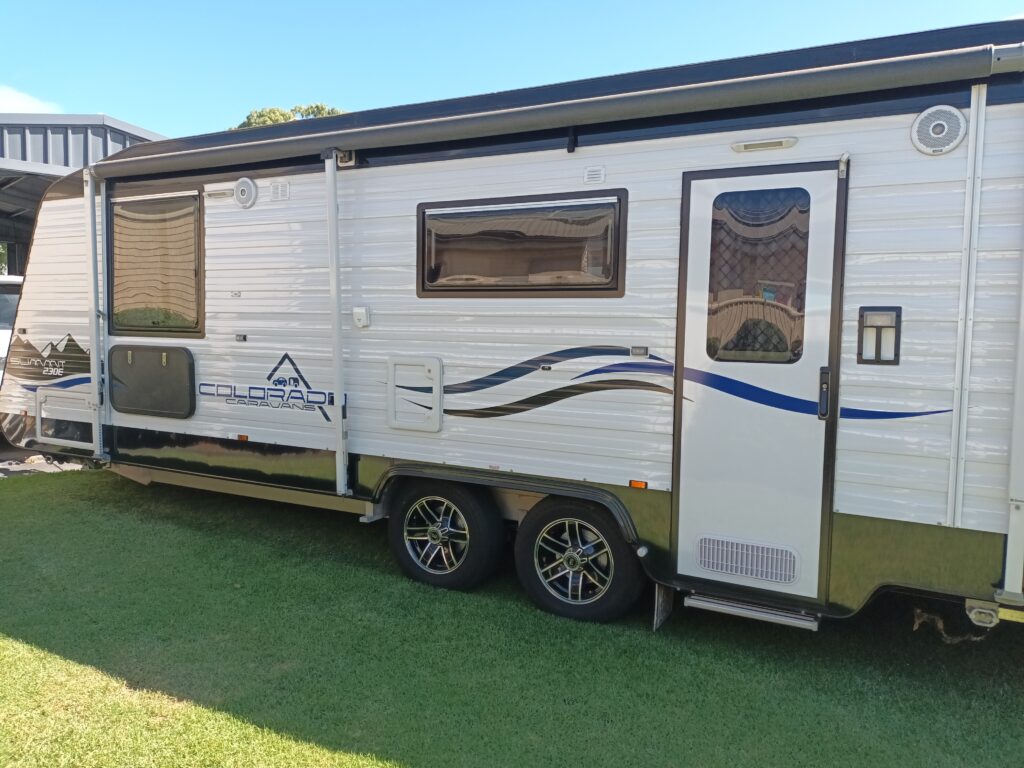
Why Buyers Skip a Caravan Listing
Most buyers compare several vans before contacting anyone. They are not just looking at price. They are also judging effort, transparency, and value.
Common reasons buyers move on:
- The title is vague
- Photos are dark or limited
- Important specs are missing
- The description feels rushed
- The asking price seems unrealistic
- No sign the caravan has been cared for
Buyers often see a weak listing as a warning sign, even when the caravan itself is solid.
Start With the Headline
The title is the first thing buyers notice. If it says little, they often keep scrolling.
Instead of titles like:
- Caravan for Sale
- Must Sell Urgently
- Great Van Cheap
Try titles that answer basic questions:
- 2021 Family Caravan 4 Berth with Ensuite
- Off-Road Caravan with Solar and Battery Setup
- Lightweight Touring Caravan Easy Tow Model
A stronger title helps the right buyer click in the first place.
Use Photos That Build Trust
Photos matter because buyers are trying to rule options in or out quickly. If they cannot clearly see the caravan, they often move on.
Show:
- Exterior from multiple angles
- Kitchen and dining area
- Beds and sleeping layout
- Bathroom if included
- Storage compartments
- Tyres, awning, and condition details
- Upgrades like solar or batteries
Clean the caravan first and use natural daylight if possible.
What to Write in the Description
A strong description should answer the questions buyers are already thinking about.
Include details such as:
- Make and model
- Year built
- Length and weight
- Sleeping capacity
- Registration status
- Service history
- Included extras
- Known wear and tear
- Reason for sale
This is where many sellers lose interest by writing only one or two lines.
Be Honest About the Flaws
Some sellers avoid mentioning faults, hoping buyers will overlook them later. That usually backfires during inspection.
A better approach is simple honesty:
- Minor cosmetic marks from travel
- Awning fabric shows age
- Tyres replaced recently
- Small repair needed on the latch
Clear honesty often attracts more serious buyers because trust matters.
Review the Price Without Emotion
Owners naturally value their caravan based on memories, upgrades, or what they originally paid. Buyers usually compare current market options instead.
Check similar listings and compare:
- Age
- Brand
- Layout
- Condition
- Extras included
- Current demand
Sometimes, a small price adjustment performs better than waiting months for a hopeful figure.
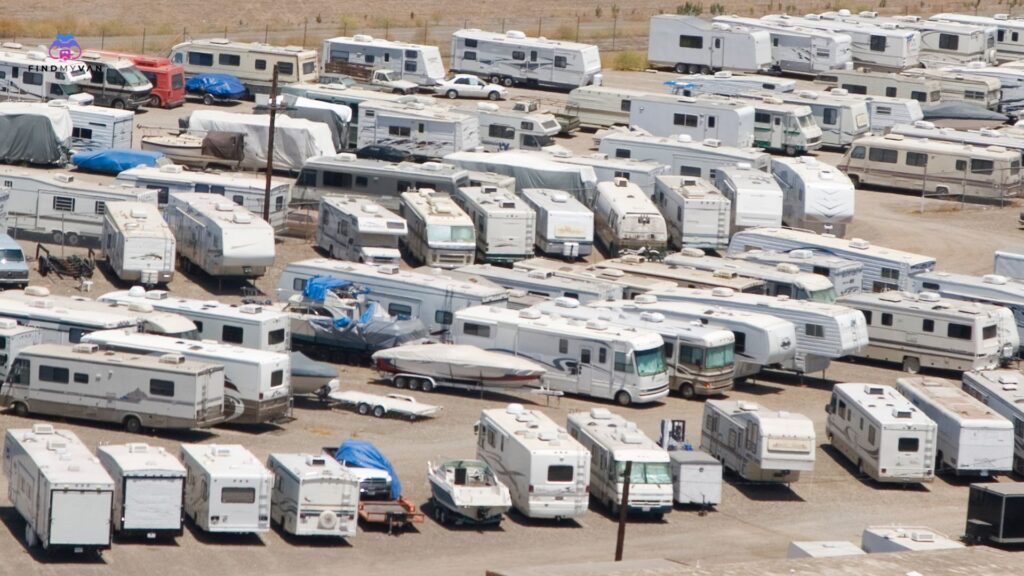
If You Need Help Structuring the Listing
Some owners know the caravan is good, but are unsure how to present it well. That is where marketplaces focused on caravans can help. A platform like Find My Van gives sellers a more relevant space to present their caravan listing to people already searching in that category.
That does not guarantee a sale, but it can remove some of the noise that comes with general classifieds.
Refresh Old Listings
If your caravan listing has been live for a while, buyers may assume something is wrong or overpriced.
Refreshing the ad can help:
- Rewrite the title
- Replace weak photos
- Add missing specifications
- Update price if needed
- Respond faster to new messages
Sometimes the issue is not the caravan. It is a stale presentation.
A Fair Concern: “Will Better Listing Copy Really Matter?”
It is a fair question. Strong wording alone will not sell an overpriced or poor-condition caravan.
But when several similar vans exist, presentation often becomes the tie-breaker. Buyers usually contact the listing that feels clearest and easiest to trust. Services like Find My Van tend to work best when the fundamentals, price, condition, and information are already solid.
What Serious Buyers Usually Want
Many enquiries become real offers when buyers quickly understand three things:
- Is it fairly priced?
- Is it well cared for?
- Is it right for my travel needs?
A listing that answers those questions early often performs better than one trying to sound clever.
When a Better Caravan Listing Changes Everything
A slow caravan listing is often a presentation problem before it is a product problem. Many sellers assume no enquiries means buyers are not interested, but that is not always true. In many cases, buyers simply do not have enough reason to stop, click, and ask questions.
A caravan can be fairly priced, well-maintained, and genuinely worth buying, yet still sit unnoticed if the listing feels weak. Poor photos, missing details, vague wording, or an outdated ad can quietly reduce interest without the owner realising it.
That is why improving the listing often creates results faster than waiting and hoping the right buyer appears.
Sometimes the changes are simple:
- Rewriting the title so buyers know what it is immediately
- Uploading clearer photos that show the condition honestly
- Adding specs buyers actually care about
- Explaining recent upgrades or service history
- Adjusting the price to reflect the current market
- Responding faster when enquiries come in
These are not dramatic changes, but they reduce hesitation. And hesitation is often what stops buyers from reaching out.
Most buyers compare several listings in minutes. The caravan that feels clearest, most trustworthy, and easiest to understand often gets the first enquiry.
A better caravan listing does not magically fix every sale, but it can remove the friction that keeps a good caravan overlooked.