
This is one of the most common questions buyers ask once they start looking beyond standard touring caravans.
Do you really need a full off-road caravan, or would a semi-off-road setup suit your travel style better?
At first, many buyers assume more capability automatically means a better caravan. But after speaking with travellers across Australia, a different pattern starts to appear.
At Find My Van, we regularly see buyers drawn toward aggressive off-road marketing, only to realise later that the type of travel they enjoy is much simpler than they first imagined.
The truth is, both setups have their place. The important part is understanding the difference before you commit.
What is a semi-off-road caravan?
A semi off-road caravan is designed to sit between a standard touring caravan and a full off-road setup.
For many Australians, this ends up being the most practical category because it comfortably handles:
- Gravel and corrugated roads
- Regional travel
- Light off-grid camping
- Compared to standard on-road caravans, semi off-road caravans usually have stronger suspension, more clearance and better durability underneath the van.
What makes them appealing is balance.
They still feel comfortable and manageable for regular touring, while giving buyers confidence to travel beyond sealed roads without stepping into extreme off-road territory.
For many travellers, this is more than enough capability for the way they genuinely use their caravan.
What is a full off-road caravan?
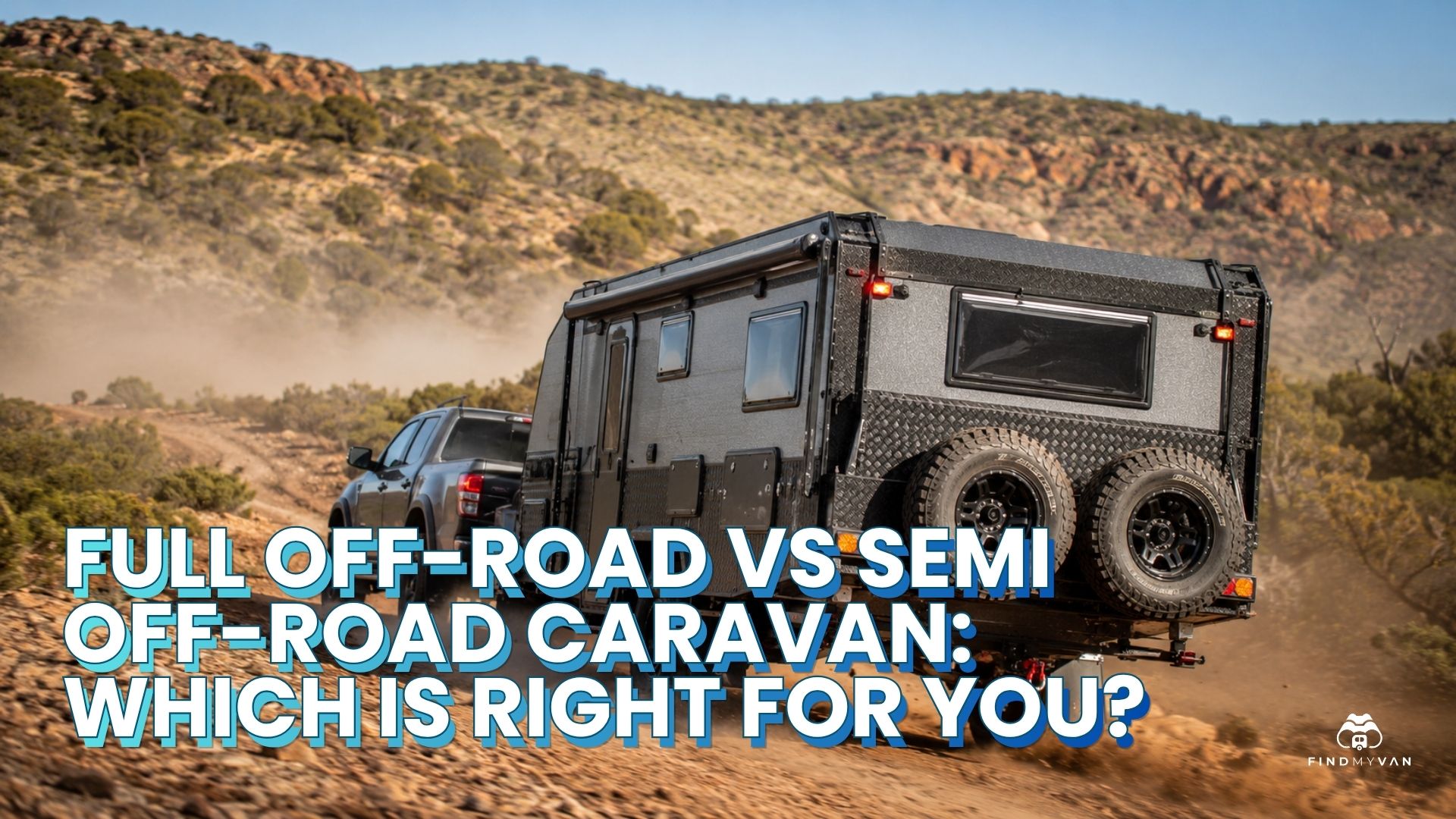
A full off-road caravan is built for harsher and more remote travel conditions.
These caravans are designed for buyers wanting to spend serious time away from maintained roads and powered sites.
They typically include:
- Heavy-duty suspension
- Reinforced chassis construction
- Larger off-grid systems
But the biggest difference is not just the hardware. It is the expectation of how and where the caravan will be used.
Full off-road caravans are designed to tolerate rougher terrain, heavier corrugations and longer remote travel where support and infrastructure may be limited.
For buyers regularly travelling remote Australia, that extra durability can absolutely be worth it.
Most buyers overestimate how “off-road” they will travel
This is one of the biggest realities buyers discover after spending time caravanning.
A lot of people picture themselves deep in the outback, constantly tackling remote tracks and isolated camping locations.
In reality, many Australians spend most of their time:
- Touring regional areas
- Staying in caravan parks
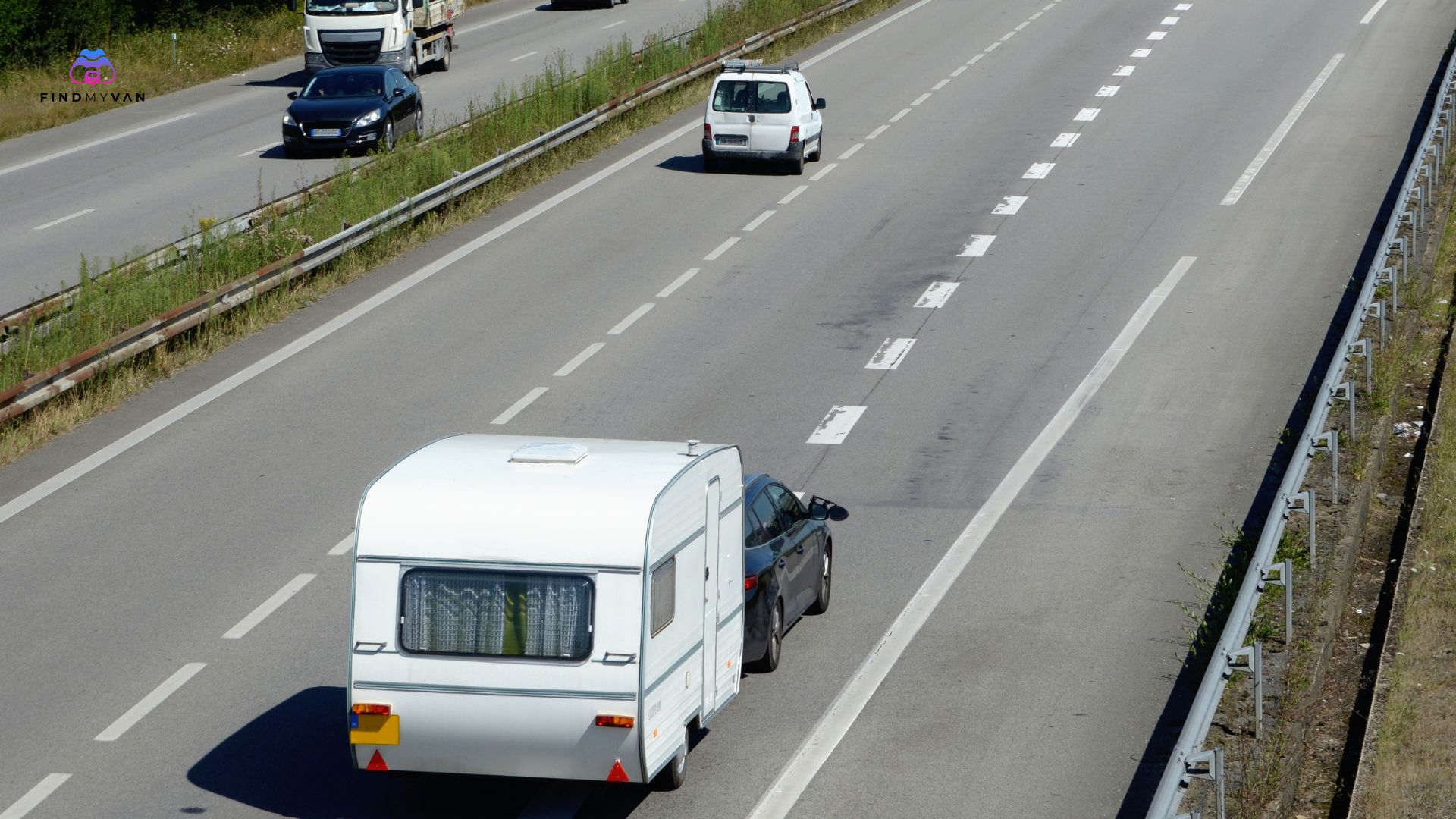
- Travelling sealed roads
- Visiting maintained camping spots
And there is nothing wrong with that.
This is why many travellers eventually realise they would have been perfectly happy with a semi off-road setup instead of carrying the extra weight and cost of a full off-road caravan.
Full off-road caravans usually come with more weight
This is something buyers should think about carefully before getting caught up in capability alone.
More suspension, stronger chassis systems, larger batteries, bigger water tanks and additional protection all add weight.
That affects:
- Towing comfort
- Fuel usage
- Vehicle compatibility
For some buyers, the trade-off is worth it because they genuinely use the capability. For others, it becomes extra weight they rarely benefit from.
What looks impressive online can sometimes feel excessive once you are towing it across Australia regularly.
Semi off-road caravans often feel easier to manage
This is one reason semi off-road caravans continue to grow in popularity.
For many travellers, they offer the best middle ground between comfort, capability and towing practicality.
They usually feel:
- Easier to tow
- Less intimidating
- More fuel efficient
- Simpler for everyday travel
For buyers planning regional touring, occasional gravel roads and a mix of caravan parks and free camping, a semi off-road caravan often makes the most sense.
Marketing can make the decision confusing
This is where many first-time buyers struggle.
Terms like “off-road” and “adventure-ready” are used heavily throughout the caravan industry, but they do not always mean the same thing from one manufacturer to another.
Two caravans marketed as “off-road” can have completely different levels of capability underneath.
That is why buyers need to look beyond the marketing and focus on how the caravan is actually built and how they realistically plan to travel.
It is not just about capability
It is also about comfort and confidence.
A heavier full off-road caravan may open up more remote travel opportunities, but it can also feel:
- Harder to tow
- More expensive to run
- More demanding on your vehicle
Meanwhile, a semi off-road caravan may feel more relaxed and enjoyable for regular touring.
The best setup is not necessarily the most extreme one. It is the one that suits your lifestyle without making travel feel harder than it needs to.
How Find My Van helps buyers choose realistically
At Find My Van, we help buyers compare full off-road and semi off-road caravans based on how they genuinely plan to travel, not just what sounds impressive online.
We help you:
- Match caravans to your vehicle and towing confidence
- Compare practical differences between setups
- Understand whether extra capability is actually worth it
- Avoid paying for features you may never use
Every caravan we help you purchase comes with a current independent presale inspection report, so you know exactly what you are buying.
The best caravan is the one that suits the way you travel
Not the one with the most aggressive marketing.
For many Australians, a semi off-road caravan is more than capable enough. For others regularly heading remote, full off-road capability absolutely makes sense.
The important thing is understanding the difference before you buy.
Ready to find the right setup?
If you are unsure whether a full off-road or semi off-road caravan suits your travel style best, we can help.
Click the button below to schedule a call and get practical guidance tailored to the way you want to travel.