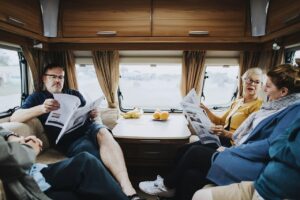
A motorhome can turn a long-planned lap of Australia into a wonderfully flexible way to travel – but only if everyday life inside it feels easy. The best motorhome features for retirees are not always the flashiest extras on the spec sheet. They are the practical details that make getting in, cooking dinner, finding the bathroom at night and setting up at camp feel comfortable from day one.
For many travellers, the right motorhome means more time enjoying a quiet coastal site, a national park or a favourite country town, and less time managing awkward layouts or unnecessary physical effort. Here is what is worth prioritising before you buy.
Best motorhome features for retirees: start with easy access
The first test happens before you even step inside. Look closely at the entry height, step design and grab handles. A wide, stable electric step can be useful, but it should not be the only thing making entry manageable. A well-placed handrail and a low first step make a real difference, especially after a long drive or when the ground at a campsite is uneven.
Inside, clear walkways matter more than sheer floor space. You need room to move past the kitchen, reach the bathroom and get around the bed without turning sideways or bumping into furniture. Slide-outs can create a spacious lounge when parked, but they add moving parts, weight and another setup task. They suit some travellers brilliantly, particularly those staying longer in one place, but a smart fixed layout can be simpler for frequent overnight stops.
Also check the driver and passenger seats. Swivel seats are valuable when they form part of the living area, but only if they are supportive for longer drives and easy to turn. Adjustable steering, good outward visibility, large mirrors and a reversing camera are practical confidence-builders, not luxuries.
A bathroom that works when you need it
A self-contained bathroom is one of the most sought-after features for retirees, and for good reason. It gives you independence at rest areas, free camps and smaller parks where amenities may be some distance away. The key is usability rather than simply ticking the box marked ensuite.
Look for a separate shower where possible, enough elbow room around the toilet and a vanity positioned at a sensible height. A shower screen is generally more pleasant than a clingy curtain, while non-slip flooring and a sturdy grab rail add peace of mind. Good ventilation is essential in Australian conditions, where a damp bathroom can quickly become uncomfortable.
Wet-bath motorhomes, where the whole bathroom becomes the shower area, can save space in compact models. They are often a sensible option for couples who value manoeuvrability and a smaller vehicle. However, those planning extended trips may prefer the convenience of a separate shower, even if it means choosing a longer motorhome.
A bed you do not have to build every night
The quality of your sleep affects every part of a trip. A permanent bed is often one of the best decisions a retired couple can make, because it removes the daily chore of converting a dinette or lounge into a sleeping area.
An island bed provides access from both sides and feels familiar, though it uses more floor space. A north-south bed can be easier to access than an east-west bed, where one person may need to climb over the other. Twin single beds are another excellent option, particularly for couples with different sleep routines or anyone who wants clear access on both sides.
Do not judge a bed by appearance alone. Sit on it, lie down if you can, and consider the mattress thickness, ventilation beneath it and how easy it is to change sheets. Over-cab beds offer generous sleeping space, but the ladder or climb may not suit everyone over the long term.
A kitchen designed for real meals
Retirement travel is rarely just about takeaway at a roadside stop. A practical motorhome kitchen makes it easier to stay on the road longer, eat well and keep costs under control.
Prioritise bench space, sensible storage and a fridge large enough for the way you travel. A tall fridge-freezer is helpful for longer stays away from major towns, while drawer-style fridges can be easier on the back in compact layouts. Check whether the pantry, cupboards and fridge can be reached without crouching or stretching too far.
A three-burner cooktop is enough for many couples, but an oven or combination microwave can be worthwhile if you enjoy proper cooking. Rangehood ventilation matters, too. It keeps heat, steam and food smells under control when windows need to stay shut due to rain, dust or insects.
Induction cooking is becoming more common, but it relies heavily on adequate battery capacity and inverter power when you are not connected to mains electricity. Gas remains familiar and efficient for many travellers. Neither is automatically better – the best choice depends on how often you free camp and how you prefer to cook.
Comfortable seating and year-round climate control
A motorhome should be pleasant to live in when the weather keeps you indoors. Look for a lounge with firm, supportive cushioning rather than soft seating that becomes uncomfortable after half an hour. A face-to-face dinette encourages relaxed meals and card games, while a café dinette can suit a more compact vehicle. The right choice comes down to whether you value entertaining space, an open walkway or a dedicated work and dining area.
Australian travel can mean hot inland days, chilly alpine mornings and humid coastal nights on the same trip. Effective air conditioning is valuable when connected to power, but insulation, roof ventilation and block-out blinds are just as important. Diesel heaters are popular because they provide dry, efficient warmth in cooler weather without relying on a powered site.
Pay attention to window placement. Windows that open on both sides improve airflow, while flyscreens and privacy blinds should operate smoothly. These are small details until you are parked beside a mozzie-filled river at dusk.
Off-grid capability without unnecessary complexity
Many retirees want the freedom to spend a few nights away from crowded caravan parks. For that, solar panels, lithium batteries, an inverter and generous fresh-water capacity are high-value features.
The right system is not necessarily the biggest one. Larger batteries and water tanks add weight, and every motorhome has legal weight limits that must be respected. Think realistically about your travel style. If you mostly stay in caravan parks, a modest solar and battery setup may be plenty. If you plan to explore remote regions or free camp regularly, investing in stronger off-grid capability can give you far more flexibility.
Ask for clear information on battery age, solar output, tank sizes and payload. Payload is the amount of weight you can legally add after the vehicle leaves the factory, including people, clothing, food, water, accessories and personal gear. A beautifully equipped motorhome is not a good fit if it leaves little room for the things you actually need to carry.
Storage that saves your back and your patience
Good storage is accessible storage. External lockers are useful for hoses, chairs, levelling gear and tools, but check their height and door openings. Heavy items should be stored low, ideally in slide-out trays or compartments that do not require deep bending and reaching.
Inside, overhead cupboards are common, but they should not be your only storage. Lower drawers, wardrobes with practical hanging space and a dedicated spot for everyday items will make life easier. Consider where you will keep medications, walking shoes, jackets, maps, charging cables and groceries. If everything has a place, packing up camp becomes much quicker.
Safety features that support confident travel
A modern motorhome should feel reassuring on the road as well as at camp. Reversing cameras, parking sensors, tyre-pressure monitoring, electronic stability control and quality brakes all contribute to safer touring. If you are moving up from a caravan, a motorhome may feel more straightforward to manoeuvre, but take the time to understand its height, length and turning circle.
At camp, look for smoke alarms, a carbon monoxide alarm where gas appliances are fitted, fire extinguishers and an easy-to-reach first-aid kit. Bright interior lighting, especially around the bathroom and entry, reduces the chance of trips at night. Exterior lights near the door are equally useful.
Before committing, arrange a proper inspection and take a thorough test drive. Check how the motorhome feels at highway speed, on tighter streets and while reversing. For pre-owned options, clear service records, a sound vehicle inspection and honest guidance on condition are worth far more than a shiny presentation. Find My Van can help buyers narrow down vetted options that suit their layout, budget and touring plans.
The best choice is the motorhome that makes you want to leave on Friday, not the one that asks you to compromise every time you make a cup of tea or climb into bed. Take your time, walk through several layouts and picture an ordinary travel day from breakfast to lights out. That is where the right motorhome will prove itself.