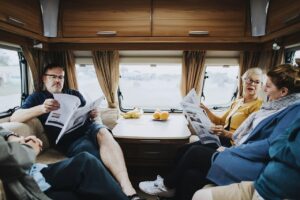
The best caravans for grey nomads are rarely the biggest, flashiest or most heavily optioned vans on the market. They are the ones that feel comfortable after three rainy days inside, tow confidently behind your current vehicle, and suit the way you genuinely want to travel – from long stays in caravan parks to slow loops through regional Australia.
For many retirees, buying a caravan is about creating more freedom, not adding a complicated new project. That makes the right choice less about chasing a particular badge and more about balancing layout, weight, build quality and independence. A van that looks perfect at a show can become hard work if the bed is awkward to access, the payload is too tight or the towing combination sits beyond your comfort zone.
Start with the trips you want to take
Before comparing brands, decide where you expect to spend most of your time. A couple planning months in holiday parks, visiting family and following the coast has different needs from travellers intending to camp off-grid near national parks or tackle long unsealed roads.
A touring caravan is often the sensible choice for grey nomads who will mainly stay on sealed roads and in established parks. These vans usually prioritise living comfort, generous kitchens, ensuites and easy towing over extreme suspension or aggressive off-road styling. They can offer excellent value because you are not paying for capability you may never use.
Semi off-road caravans suit travellers who want more flexibility. They generally add better ground clearance, stronger suspension, tougher tyres and useful protection underneath, without moving into the size, weight and cost of a dedicated off-road van. For many couples, this is the sweet spot. It provides confidence on well-maintained gravel roads and uneven campsites while remaining practical for regular touring.
A full off-road caravan makes sense if remote routes are a real part of the plan, not simply an occasional ambition. Look beyond the marketing language here. Genuine off-road suitability depends on chassis construction, suspension, recovery points, water and plumbing protection, dust sealing, tyre choice and how the van carries its weight. It also comes with trade-offs: more weight, more maintenance and a higher purchase price.
The best caravans for grey nomads prioritise layout
A practical floorplan will matter every single day. For couples, a rear ensuite layout remains popular because it creates a private, spacious bathroom and separates it from the main living area. A front bedroom with an island bed can also be a good choice, especially where there is room to walk around both sides without shuffling sideways.
Try the layout as if you are already travelling. Sit at the dinette. Stand at the cooktop. Open the pantry, fridge and overhead cupboards. Check whether you can make the bed without climbing across it. If one person likes an early start and the other prefers a sleep-in, consider how easily you can move through the van without disturbing each other.
A club lounge can be excellent for relaxing, reading and entertaining another couple. A café dinette often frees up floor space and may make a smaller van feel less crowded. Neither is automatically better. The right option depends on whether you spend more time indoors, host visitors, work from the road or prefer the simplest possible setup.
Do not overlook bathroom usability. A separate shower is a welcome luxury on a long trip, but inspect the shower cubicle, ventilation, storage and room around the toilet. Small inconveniences quickly become tiring when the caravan is your home for weeks at a time.
Choose a size that is easy to live with and tow
Many grey nomads land in the 18 to 22-foot range because it offers a comfortable compromise between living space and manoeuvrability. A compact van can be easier to reverse, fit into older caravan parks and tow through regional towns. A larger van brings more bench space, storage and a roomier ensuite, but it can limit site choices and make travel days more demanding.
Length is only part of the story. Pay close attention to overall height, width, ball weight and the caravan’s Aggregate Trailer Mass, commonly called ATM. Your tow vehicle needs to be legal and suitable for the full loaded weight, not just the caravan’s empty brochure figure.
Payload deserves particular attention. This is the weight available for water, gas bottles, food, clothing, chairs, tools, bedding, annex gear, solar additions and personal belongings. It is surprisingly easy for a touring couple to use several hundred kilograms. A beautiful van with limited payload may force you to travel underprepared or overloaded.
Weighing your vehicle and caravan once loaded is one of the best habits you can build. It protects safety, helps preserve your insurance position and gives you a clearer picture of how the combination handles on the road.
Comfort features that earn their place
Some caravan options are nice to have. Others will make a genuine difference to the quality of your trip. Good insulation, effective roof ventilation and a capable air-conditioner can be invaluable through Australian summers and cooler inland nights. Check that windows provide cross-flow ventilation and that blinds and flyscreens are easy to use.
For extended travel, battery capacity, solar charging and water storage should match your camping style. A couple who spends most nights in powered parks may be fine with a modest electrical setup. Those planning regular free camps need sufficient battery storage, solar input and water capacity, along with realistic habits around power use and shower length.
A compressor fridge can be efficient for off-grid travellers with a strong electrical system. Three-way fridges remain familiar and practical for others. Rather than assuming one is superior, ask how it performs in hot weather, what power source it relies on and whether the van’s battery and solar setup supports your intended use.
Storage should be accessible, not merely plentiful. Deep tunnel boots are useful for outdoor furniture and hoses, while drawers are often easier on the back than low cupboards. Check the height of overhead lockers and whether heavy items can be stored low and close to the axle. Thoughtful storage also helps keep weight balanced.
Inspect condition, not just presentation
Whether you are buying new or pre-owned, take your time with the inspection. A clean interior and polished exterior do not tell you what is happening under the van or behind a wall.
Look for signs of water ingress around windows, roof joins, hatches and inside cupboards. Test every appliance, tap, light, power point and window. Inspect tyres for age as well as tread, and ask about brake servicing, bearings, suspension maintenance and battery replacement. Examine the chassis, A-frame and underside for damage, corrosion or evidence of hard impacts.
For pre-owned caravans, service records and ownership paperwork add valuable confidence. So does a clear explanation of upgrades, repairs and the reason for sale. If you are uncertain about condition, an independent inspection can be money well spent before settlement.
Buying through a professional broker can also reduce the usual legwork. Find My Van supports buyers with curated caravan options and clearer communication, helping you focus on whether the van fits your plans rather than chasing unanswered messages or questionable listings.
Avoid buying for a future you may not have
It is easy to buy a van for the Cape York trip, the Simpson crossing or the grand six-month off-grid escape, even when your first year will mostly be spent on the coast and in caravan parks. Aspirational travel is part of the fun, but the best purchase is built around your likely use in the next few years.
Be equally cautious about buying too small simply to make towing feel easier. If the ensuite is cramped, the bed is difficult to make and there is nowhere to sit comfortably when the weather turns, you may not use the caravan as often as you hoped. The goal is a van that feels manageable on the road and restorative once you stop.
Take your time, inspect more than one layout and compare the real loaded numbers before committing. The right caravan should leave you looking forward to the next stop, not worrying about the drive there.